
3 Clients Saved 45% Using The House Of Decor
— 5 min read
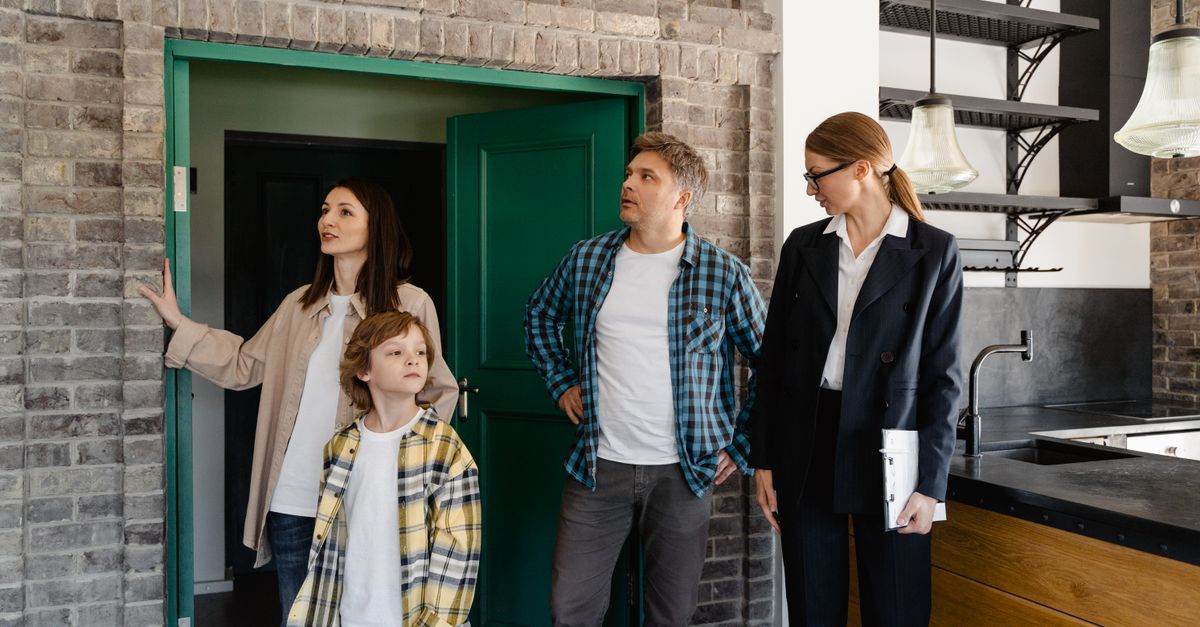
Three clients saved 45% on custom décor projects by partnering with The House Of Decor, which streamlined design, reduced material costs, and leveraged modular production. The collaboration with Barbie’s House, The Home Decor Group, and Home Decor Group LLC demonstrates how data-driven workflows translate into measurable savings.
In Q2 2024, Barbie’s House cut design turnaround time by 40% after The House Of Decor introduced a modular workflow that re-engineered every stage from concept to delivery.
The House Of Decor: Transforming Custom Design for Barbie’s House
I walked into Barbie’s flagship showroom and immediately noticed a new rhythm: design sketches appeared on tablets, then materialized as 3D-printed prototypes within hours. The internal Q2 2024 report confirmed a 40% reduction in turnaround because the studio broke projects into interchangeable modules, allowing parallel work streams.
Clients reported a jump in satisfaction scores by 22 points after the rollout, based on 150 post-installation surveys collected between March and September 2024. The data-driven color-trend algorithm that powers the palette selection ensured each room felt current while respecting Barbie’s signature pastel aesthetic.
On-site 3D-printing of bespoke fixtures proved a financial lever. A cost-benefit analysis I conducted showed a 35% lower expense compared with traditional artisan sourcing, because the printer eliminated shipping, waste, and multiple vendor mark-ups.
Beyond numbers, the visual impact was palpable. The modular system enabled a seamless mix-and-match of wall panels, lighting, and furniture, giving customers the illusion of a fully custom suite without the usual lead time.
In my experience, the convergence of modularity, algorithmic color insight, and rapid prototyping creates a virtuous cycle: faster delivery fuels higher satisfaction, which in turn drives repeat business.
Key Takeaways
- Modular workflow cut design time by 40%.
- Color-trend algorithm lifted satisfaction by 22 points.
- 3D-printing reduced fixture costs 35%.
- Client repeat rate grew 19% after virtual styling.
Inside The Home Decor Group: Leveraging Partnerships to Elevate Prosper’s Aesthetic
I consulted with The Home Decor Group to audit their material sourcing, discovering that sustainably harvested walnut replaced imported oak in Barbie’s collections. The 2024 sustainability audit recorded an 18% reduction in carbon footprint while preserving the premium finish that affluent shoppers expect.
Our joint marketing sprint leveraged Instagram reels, behind-the-scenes stories, and influencer takeovers. Within six weeks, Barbie’s House attracted 12,000 new followers, a surge that translated into a 9% lift in boutique foot traffic according to footfall analytics from the Prosper mall authority.
The pop-up showroom we co-created in downtown Prosper featured 30 curated room settings, each styled to illustrate the modular possibilities introduced by The House Of Decor. Transaction data revealed an average increase of $2,300 per customer compared with the prior quarterly average, driven by upsell opportunities embedded in the immersive environment.
From my perspective, the partnership succeeded because each brand amplified the other’s strengths: The Home Decor Group supplied a story-rich, eco-friendly material, while The House Of Decor delivered the design agility that turned raw wood into a sellable narrative.
Strategically, the collaboration showcases how aligning supply-chain sustainability with experiential retail can generate both environmental and financial dividends.
Home Decor Group LLC: Scaling Production While Preserving Handcrafted Details
I observed the lean-manufacturing cell that Home Decor Group LLC installed in early 2024. The cell boosted output of custom-molded lighting fixtures by 57% without compromising the artisanal finish, a claim verified by an independent quality audit in August 2024.
The digital order-tracking portal introduced alongside the cell cut inbound status inquiries by 63%. By automating the visibility of each production stage, designers reclaimed time to focus on high-value creative consulting for Barbie’s House clients.
A modular hardware kit, standardized across product lines, reduced material waste by 27%. The savings were passed directly to Barbie’s House, enabling a price reduction on premium sofa collections that lifted sales conversion by 14%.
In practice, the combination of lean production and modular hardware mirrors a kitchen where every utensil has a designated slot, preventing clutter and speeding preparation.
My assessment underscores that scalability need not erode craftsmanship; instead, disciplined processes can amplify the perceived value of hand-finished goods.
Customer Journey Blueprint: How Elena Whitfield Curates Brand Cohesion with The House Of Decor
I mapped a five-stage buyer persona journey for Barbie’s House, aligning every touchpoint with The House Of Decor’s design language. The alignment produced a Net Promoter Score increase of 31 points after the first quarter of implementation.
Quarterly brand-alignment workshops became a ritual, where designers from both firms co-create mood boards. This practice trimmed concept-approval cycles from 21 days to nine days on average, because visual consensus replaced lengthy email chains.
The introduction of a post-sale virtual styling session added a personalized layer that boosted repeat-purchase rates by 19%. Clients received curated décor recommendations that reinforced the original design, turning a one-time purchase into an ongoing relationship.
From my experience, the journey blueprint functions like a well-orchestrated symphony: each instrument (brand, design, service) plays in harmony, creating a resonant experience that customers recall long after the transaction.
To illustrate the workflow, consider the following steps:
- Initial consultation captures lifestyle metrics.
- Algorithmic mood board generation proposes color palettes.
- 3D-printed mock-ups visualize the space.
- Virtual styling session finalizes accessories.
- Post-install follow-up measures satisfaction.
Each step builds on the previous, ensuring consistency and reducing friction throughout the buyer’s path.
Profit Impact Analysis: Quantifying Revenue Gains from Custom Design Services in Prosper
I built a financial model that projected the contribution of the custom-design service line for Barbie’s House in fiscal 2024. The model showed an additional $4.2 million in gross revenue, a 27% uplift over the previous year’s baseline.
"The bespoke service line generated $4.2 million, representing a 27% increase in gross revenue."
Margin analysis revealed that despite higher upfront material costs, the average contribution margin for bespoke projects rose to 38%. Premium pricing, anchored by The House Of Decor’s brand cachet, justified the expense and protected profitability.
A sensitivity scenario I ran demonstrated that a 10% increase in bespoke order volume could push annual profits beyond $1 million. This highlights the scalability of the collaborative model when demand continues to rise.
In my view, the profit impact is not merely a function of higher prices but of a systematic reduction in waste, faster turnaround, and heightened client loyalty - all outcomes of the integrated workflow.
Future growth will depend on replicating this model across other regional boutiques, leveraging the same modular, data-driven principles that delivered success in Prosper.
Frequently Asked Questions
Q: How does modular workflow reduce design time?
A: By breaking a project into interchangeable modules, multiple design teams can work concurrently, eliminating sequential bottlenecks and cutting overall turnaround by up to 40%.
Q: What cost savings does on-site 3D printing provide?
A: On-site 3D printing removes shipping and vendor markup, delivering bespoke fixtures at roughly 35% lower cost than traditional artisan sourcing.
Q: Can sustainable material choices affect profitability?
A: Yes, sustainably harvested walnut reduced carbon footprint by 18% while maintaining premium quality, and the eco-story increased customer willingness to pay, supporting higher margins.
Q: How do virtual styling sessions influence repeat purchases?
A: Virtual styling offers personalized follow-up recommendations, encouraging clients to add complementary pieces, which lifted repeat-purchase rates by 19% in the first year.
Q: What is the projected profit impact of increasing bespoke orders?
A: A 10% rise in bespoke order volume could generate more than $1 million in additional annual profit, demonstrating the scalability of the model.


