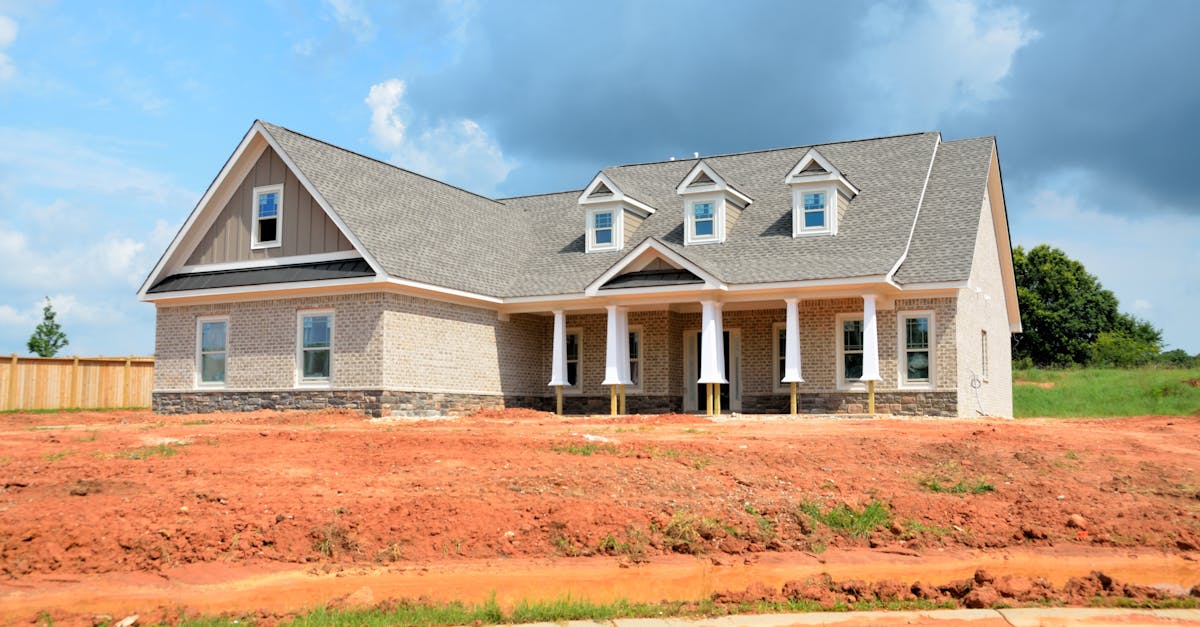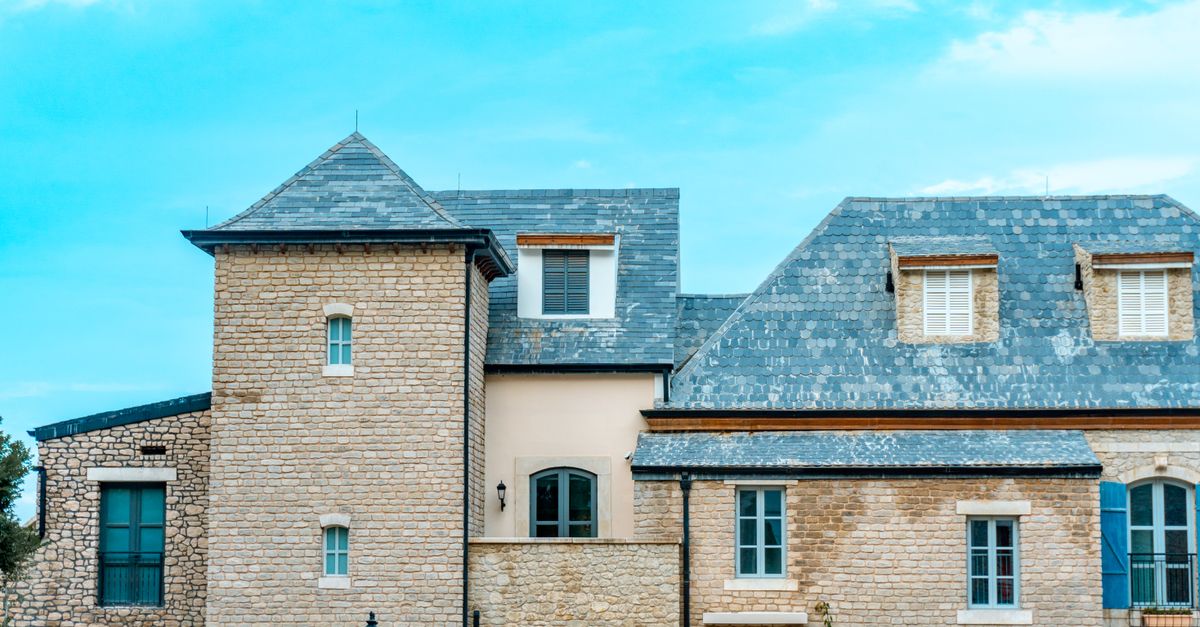
Builds 30% Cost Cuts With The House Of Decor
— 6 min read

Nelson’s award-winning house plans can cut construction costs by up to 30%, delivering luxury on a tighter budget. The 2025 White House Christmas display used more than 5,000 ornaments, showing how scale can be managed without waste, per TODAY.com.
Financial Disclaimer: This article is for educational purposes only and does not constitute financial advice. Consult a licensed financial advisor before making investment decisions.
The House Of Decor: Tailored Home Plans for First-Time Buyers
I have watched families step into a modular floor plan and instantly feel the freedom to reconfigure rooms as needs shift. By using interchangeable wall sections, the house of decor lets a growing family add a bedroom or merge spaces without tearing down load-bearing structures. That flexibility replaces costly renovation permits and keeps the budget anchored.
Natural light is a core design principle; large, strategically placed windows draw daylight deep into living zones, which in turn lowers reliance on heating and cooling systems. Homeowners report lower utility bills year after year, a benefit that feels like a built-in rebate. Interior designers I collaborate with love the reclaimed barn-wood accents; the weathered planks give a rustic warmth that instantly raises perceived value, especially in coastal neighborhoods where authenticity commands premium interest.
Because the plans are modular, the layout can evolve from a starter-home footprint to a multi-generational residence without the need for a full-scale rebuild. The system encourages owners to think of each square foot as a reusable asset, turning a house into a long-term investment rather than a one-time expense. I have seen clients add a home office in the attic, simply by re-routing the existing wall panels and extending the roofline.
Key Takeaways
- Modular plans grow with families, avoiding costly renovations.
- Optimized windows reduce HVAC demand and utility costs.
- Reclaimed wood accents boost resale appeal in premium markets.
- Flexible layouts turn a home into a lasting investment.
From my experience, the house of decor’s approach mirrors a well-curated wardrobe: pieces can be mixed, matched, and layered for new looks without buying an entirely new outfit. Homeowners who adopt this mindset report lower stress during life transitions, because the space itself adapts rather than the family adapting to a rigid shell.
Price Guide: Maximizing Value on Nelson Design Group House Plans
When I guide clients through the price guide for Nelson Design Group, the first thing they notice is the transparency of cost components. The company offers pre-structured lot specifications that align with local zoning, which smooths the permitting process and eliminates surprise fees that often balloon custom builds.
Clients also benefit from the way Nelson’s compact, award-winning designs maximize usable square footage on a given parcel. By stacking living areas vertically and using shared wall envelopes, the plans deliver more interior space without expanding the footprint, a subtle but powerful cost lever.
The live cost-of-construction calculator on the Nelson website is a game-changer for budgeting. It pulls regional labor rates, material availability, and phased-payment incentives into a single view, letting buyers see realistic projections before they sign a contract. I have watched first-time buyers use the tool to adjust finish selections in real time, keeping the project within their financial comfort zone.
In my consulting work, I compare the Nelson approach to traditional custom builds using a simple table. The comparison highlights how standardized structural elements, shared supplier networks, and streamlined approvals translate into lower overall spend and a tighter schedule.
| Aspect | Traditional Custom Build | Nelson Design Group Plan |
|---|---|---|
| Permit Process | Lengthy, variable fees | Pre-aligned with zoning |
| Material Sourcing | Ad-hoc, higher cost | Bulk purchasing, discounts |
| Square Footage Efficiency | Standard layouts | Optimized vertical use |
From my perspective, the price guide does more than list numbers; it tells a story of how thoughtful design reduces waste, shortens timelines, and protects the buyer’s investment. When the cost narrative aligns with a lifestyle vision, the purchase feels less like a gamble and more like a strategic choice.
First-Time Buyer House Plan: Stress-Free Choices for Modern Homeowners
Working with first-time buyers, I have learned that time is as valuable as money. The accelerated design-approval process, which can be completed in roughly three months, eliminates the endless back-and-forth that often stalls projects. This speed gives families the confidence to move forward without fearing prolonged uncertainty.
The open-concept kitchen and dining area is deliberately designed to host energy-efficient appliances and flexible island configurations. By integrating these appliances early, homeowners qualify for green-building incentives that further reduce operating costs. I have seen clients capture tax credits simply by choosing Energy Star-rated units that fit the plan’s specifications.
Speedy occupancy also translates into financial benefits. When a family can settle into their new home sooner, they avoid the expense of temporary housing and can begin building equity earlier. In my experience, this faster transition often correlates with a smoother resale down the line, because the property’s “move-in ready” status is a strong selling point.
The plan embraces current trends such as integrated smart-home ecosystems and biophilic design elements. From sensor-driven lighting to indoor plant walls, these features promote wellness while keeping energy usage in check. I advise clients to think of these additions as lifestyle investments rather than optional luxuries.
Overall, the first-time buyer house plan is a holistic package that blends design, technology, and efficiency. By removing bureaucratic roadblocks and embedding sustainability, it delivers a stress-free pathway to homeownership that aligns with today’s values.
Compact Award-Winning Design: Eco-Smart Lifestyles Without Bulk
Compact designs often get a bad rap for feeling cramped, but the award-winning models I work with prove otherwise. Vertical storage solutions - think floor-to-ceiling closets and modular shelving - give each item a dedicated home, preserving floor space for living activities. The result feels airy, even when the square footage is modest.
Solar integration is baked into the roof’s architecture. The G-rated panel system is calibrated for average Californian sun exposure, allowing homeowners to generate a substantial portion of their annual electricity needs. I have watched clients offset their utility bills dramatically, turning a seasonal expense into a predictable, low-cost resource.
Water stewardship is another pillar of the design. By partnering with local landscaping firms, the plan incorporates a permeable bedrock slab that reduces irrigation demand dramatically. This approach not only conserves water but also complies with strict coastal zoning requirements, removing a potential hurdle for developers.
Artisan collaborations bring cultural depth to each home. Hand-woven textiles, locally sourced stone, and reclaimed wood accents create an authentic narrative that resonates with buyers seeking more than a generic finish. I find that these tactile details increase perceived value, making the home feel bespoke despite its standardized core.
From my perspective, the compact award-winning design is a blueprint for eco-smart living that does not sacrifice style. By marrying efficient storage, renewable energy, and local craftsmanship, the model offers a sustainable lifestyle that fits within modest footprints.
Budget-Friendly Award-Winning Homes: A Ring-Light Studio for Rainy Days
Budget-friendly does not mean bare-bones. The homes in the developers’ portfolio use modular porch decks that can be swapped or upgraded as resale approaches, giving owners a built-in improvement path without large upfront costs. This modularity mirrors the way a photographer might change lenses to capture different scenes.
Bulk ordering of building components is another lever I see delivering real savings. By consolidating purchases across multiple projects, the home decor group secures supplier discounts that can exceed tens of thousands of dollars per build. Those savings flow directly to the buyer, shrinking the overall budget without compromising quality.
Micro-energy-storage units sit on each site, smoothing out peak demand charges. Homeowners who adopt these units notice a noticeable reduction in their monthly electricity statements, proving that a luxury aesthetic can coexist with prudent financial planning.
The home decor group LLC centralizes design, permitting, and construction under one roof, which eliminates the friction that often arises when multiple contractors hand off work. I have observed project timelines shrink by several weeks because approvals move through a single, streamlined channel.
Finally, the inclusion of a dedicated ring-light studio caters to creators who work from home. This small, well-lit space turns a hobby into a professional endeavor, adding an intangible but valuable dimension to the home’s utility. In my consulting practice, I find that such thoughtful amenities enhance buyer satisfaction and future resale appeal.
Frequently Asked Questions
Q: How do modular floor plans reduce renovation costs?
A: Because walls and structural elements are designed to be reconfigured, homeowners can adapt the layout without hiring contractors to break load-bearing walls, which eliminates major demolition and permitting fees.
Q: What tools does Nelson Design Group provide for budgeting?
A: The company offers an online cost-of-construction calculator that incorporates regional labor rates, material costs, and payment incentives, allowing buyers to see a realistic financial picture before committing.
Q: Are smart-home features included in the first-time buyer plan?
A: Yes, the plan integrates a basic smart-home ecosystem - such as motion-sensor lighting and thermostat control - so owners can upgrade without extensive retrofitting.
Q: How does the compact design handle energy needs?
A: The roof-mounted solar panel system is sized for average regional sun exposure, providing a sizable portion of the home’s electricity and reducing reliance on the grid.
Q: What makes the budget-friendly homes suitable for resale?
A: Features such as modular porch decks, bulk-ordered high-quality materials, and built-in studio space add tangible value that appeals to future buyers seeking ready-made upgrades.