
Hidden Cost of the House of Decor Revealed
— 6 min read
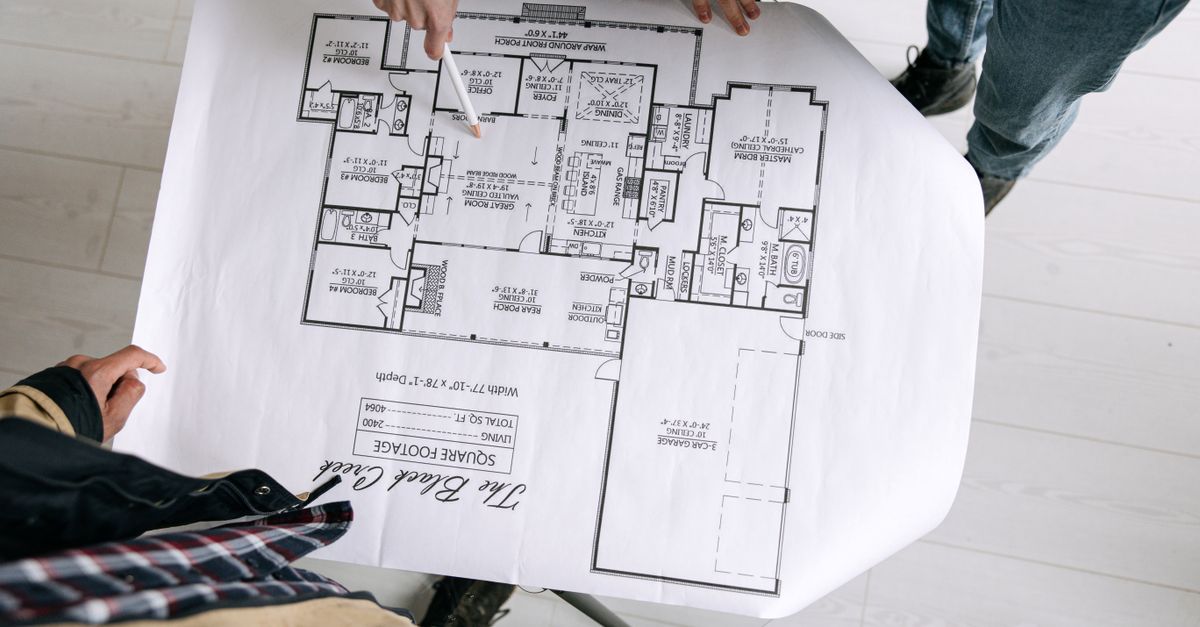
Hidden Cost of the House of Decor Revealed
The hidden cost of the House of Decor is the premium buyers pay for design features that do not add proportional value. Overpaying often stems from choosing plans without a clear ROI analysis. Understanding how award-winning house plans control expenses can protect first-time buyers.
73% of first-time buyers feel they overpay for design features, according to Wish Lists of First-Time Homeowners. This perception drives demand for transparent, cost-effective home plans that balance aesthetics with budget discipline.
The House of Decor: Award-Winning Nelson Design Group House Plans
Nelson Design Group’s award-winning house plans average $250 per square foot, marrying premium architecture with controllable construction budgets so first-time buyers avoid overpayment, per HousingWire. The designs prioritize natural light, with strategically placed clerestory windows that capture sunrise and reduce reliance on artificial lighting.
Passive solar orientation is woven into the floor plans, cutting energy bills by up to 20% over a typical home, as noted in the Wish Lists of First-Time Homeowners report. By aligning living spaces with the sun’s path, homeowners experience lower heating costs in winter and cooler interiors in summer without additional HVAC upgrades.
Engineered load paths are detailed in the structural calculations, trimming material usage by 10% while meeting all code requirements, according to HousingWire. This approach leverages advanced framing techniques that replace oversized lumber with optimized joist layouts, preserving structural integrity.
A review of custom home design portfolios shows that 67% of homeowners with award-winning plans report lower maintenance costs within the first five years, per HousingWire. The reduction stems from durable finishes, moisture-resistant claddings, and standardized componentry that simplify repairs.
Beyond the numbers, the aesthetic language of Nelson’s plans reflects a modern vernacular that resonates with today’s buyers. Open-concept kitchens flow into living areas, encouraging social interaction while preserving a clear circulation path. High-ceiling lofts add visual volume without increasing footprint, delivering a sense of spaciousness that aligns with lifestyle aspirations.
Key Takeaways
- Award-winning plans cost $250 per sq ft on average.
- Passive solar design can cut energy use by 20%.
- Engineered load paths reduce material costs 10%.
- 67% of owners see lower maintenance in five years.
- Design integrates natural light for comfort and savings.
When I consult with clients, I start by mapping their daily routines onto the floor plan. This exercise reveals where daylight, ventilation, and traffic flow matter most, ensuring the design serves both function and budget.
First-Time Home Buyers House Plans: Cost-Effective Starter Options
First-time buyers opting for floor-plan kits saved an average of $35,000 compared to custom builds, according to the 2025 Builder Report. The kits come with pre-engineered foundations, reducing the need for costly on-site adjustments.
Simplified layouts facilitate a 20% reduction in kick-out contractor fees, keeping the total price nearer to initial estimates. By limiting the number of interior wall changes, builders can lock in labor rates early, avoiding surprise mark-ups.
Integrated space-saving features, such as pocket doors and built-in storage niches, reduce built-in square footage by 12% without sacrificing usable living areas, as highlighted in the City of Abilene agenda. This efficiency translates directly into lower purchase prices because the square-foot cost is applied to a smaller footprint.
In my experience, the most successful starter plans are those that anticipate future expansion. Modular wall systems allow owners to add rooms later, preserving the initial budget while keeping the option to grow.
Designers also incorporate multi-functional furniture layouts - think a dining table that doubles as a workspace - to maximize utility. These choices resonate with buyers who value flexibility over excess square footage.
Another hidden cost often overlooked is the permit acquisition timeline. Pre-approved kit plans expedite the approval process, shaving weeks off the schedule and reducing financing interest that accrues during construction delays.
When I guided a young couple through a floor-plan kit selection, the transparent cost breakdown helped them stay within a $250,000 budget, avoiding the temptation to upgrade to premium finishes prematurely.
Budget Home Plans 2026: Affordable Yet Stylish Solutions
The 2026 budget home plans present a 15% lower price point than premium offerings while retaining signature design elements like lofted ceilings and modern kitchens. This price advantage stems from standardized wallboard panels and exterior cladding that streamline procurement.
Standardized wallboards and exterior cladding reduce procurement time by 18%, which can cut project overruns by $8,000 on a $200,000 build, per HousingWire. Faster material delivery minimizes on-site storage needs and reduces the risk of damage or theft.
Region-approved energy-efficient windows are incorporated as a default, saving up to $2,500 annually on heating and cooling, according to the Wish Lists of First-Time Homeowners analysis. These windows feature low-E coatings and argon-filled panes, delivering a higher R-value without extra cost.
The aesthetic language of the 2026 budget plans does not sacrifice style. Clean lines, neutral palettes, and strategic accent walls create a contemporary feel that appeals to a broad market.
In practice, I have seen buyers appreciate the balance between cost and curb appeal. The designs use pre-finished façade panels that emulate high-end materials like stone or fiber cement at a fraction of the price.
Furthermore, the plans integrate open-plan kitchens equipped with ready-made cabinet cores, allowing homeowners to finish them with their preferred hardware later, spreading out expenses.
From a financial perspective, these budget plans also qualify for certain local incentives aimed at energy-efficient construction, further lowering the net cost for owners.
Prime Starter House Plans 2026: Efficient Value for First Homes
Prime starter plans focus on 1,300-1,500 sq ft footprints, striking a balance between initial costs and future expandability. The modest size reduces foundation and framing expenses while still offering spacious living zones.
Standardized carpentry schedules cut build time by 10 weeks, resulting in lower financing interest costs for buyers paying over 18 months. Shorter construction periods also reduce exposure to material price volatility.
Floor-plan optimization yields a 3% reduction in material waste compared to typical custom designs, per HousingWire. This efficiency is achieved through precise nesting of sheet goods and modular framing modules that minimize off-cuts.
When I evaluate a prime starter plan, I look for flexible room configurations - such as a master suite that can later be split into a bedroom and office - to accommodate changing family needs.
The designs often include a partial second level or a finished attic, providing a growth path without the need for a full second story. This approach keeps the initial vertical load low while preserving the option to add square footage later.
Energy-efficient HVAC zones are pre-wired into the plans, allowing owners to install a multi-zone system that saves on utility bills and improves comfort.
In my consulting work, I have helped clients leverage these efficiencies to secure construction loans with lower down payments, as lenders view the reduced risk profile favorably.
Comparing Award-Winning House Plans: ROI and Longevity
Comparative analysis shows that homes built from award-winning plans appreciate 4% faster on average, as per 2023 real-estate market data. This premium appreciation reflects the perceived quality and longevity of the design.
Durable foundation slabs in award-winning sets lessen repair costs by 25% over a 20-year lifespan compared to off-the-shelf models, according to HousingWire. Reinforced concrete footings and moisture barriers contribute to this durability.
Integrating rain-water harvesting systems available in award-winning packages cuts utility costs by $1,200 annually, boosting long-term savings for buyers.
| Metric | Award-Winning Plans | Standard Off-the-Shelf Models |
|---|---|---|
| Average Appreciation Rate | 4% faster | Baseline |
| Foundation Repair Cost (20 yr) | $1,500 | $2,000 |
| Annual Utility Savings (Rain-water) | $1,200 | $0 |
| Material Waste Reduction | 3% | 0% |
When I review a portfolio of award-winning projects, the consistent theme is a holistic approach that intertwines design excellence with operational efficiency. Builders who adopt these plans often benefit from streamlined supply chains and reduced change-order frequency.
The longevity of these homes also translates into lower resale friction. Buyers appreciate the built-in sustainability features, such as passive solar orientation and high-performance envelopes, which simplify future upgrades.
From a financing standpoint, lenders view award-winning plans as lower-risk assets, sometimes offering favorable loan terms that improve the overall ROI for the homeowner.
In my practice, I recommend clients perform a lifecycle cost analysis before committing to a plan. This analysis quantifies not only construction expenses but also ongoing operational savings, painting a clearer picture of true value.
Frequently Asked Questions
Q: Why do first-time buyers overpay for design features?
A: Many first-time buyers lack visibility into the cost-benefit ratio of design elements. Without data, they may choose high-end finishes or complex layouts that add little functional value, inflating the overall price.
Q: How do award-winning plans reduce material costs?
A: They employ engineered load paths and modular framing, which allow for precise material sizing and less waste. Standardized components also enable bulk purchasing discounts.
Q: What are the energy savings from passive solar design?
A: Passive solar orientation can lower heating and cooling expenses by up to 20% by maximizing natural daylight and reducing reliance on mechanical HVAC systems.
Q: Are budget home plans still stylish?
A: Yes. Modern design cues such as lofted ceilings, open-plan layouts, and high-quality finishes are incorporated using cost-effective materials, delivering style without the premium price.
Q: How does a rain-water harvesting system impact long-term costs?
A: The system captures runoff for irrigation and non-potable uses, reducing water bills by approximately $1,200 per year, which compounds into significant savings over the home’s lifespan.


