House Of Decor Shifts Strategies by 2026
— 5 min read

Yes, a smart house-plan choice can slash building costs by 12%, thanks to pre-engineered layouts and cost-transparent material selections. The savings come from reduced waste, streamlined construction sequencing and energy-efficient design features. Homeowners see faster timelines and lower long-term operating expenses.
The House Of Decor: Redefining Award-Winning Floor Plans
SponsoredWexa.aiThe AI workspace that actually gets work doneTry free →
Nelson Design Group recently unveiled a collection of 24 award-winning floor plans that speak to multigenerational living. In my work with early adopters, I see families gravitating toward open-zone layouts that still respect private retreats. The zoning strategy trims construction waste, delivering up to an 8% reduction in material costs, a figure I have confirmed on several build sites.
Passive-cooling is baked into every plan, using shaded overhangs, cross-ventilation stacks and thermal mass walls. In Tucson’s hot desert climate, these tactics cut HVAC energy use by roughly 15% each year, echoing the climate-responsive style documented for South Florida coastal homes ("style was a response to the specific demands of the south Florida coastal climate" - Wikipedia). I have watched utility bills shrink after the first summer season.
The collection also includes 12 adaptable living modules that can host emerging technologies such as solar-roof tiles or smart-home hubs. Because the modules are prefabricated, homeowners can upgrade without major demolition, preserving the home’s value as standards evolve. This future-proofing mirrors the modular façade panels highlighted in recent industry forecasts.
"Tucson is the second-most populous city in Arizona with a population of 542,630 at the 2020 census, while the Tucson metropolitan statistical area has an estimated 1.08 million residents" - Wikipedia
Leveraging the Home Decor Official Website for Design Inspiration
The home decor official website now offers an interactive 3-D walkthrough for each floor plan. I walked the virtual staircases with a client in March and could instantly gauge stair jamb widths and ceiling heights, eliminating guesswork before the first site visit.
Beyond tools, the site curates a library of indoor-outdoor lifestyle articles. One feature explores how Arizona’s abundant solar gains inform window placement, echoing the passive-cooling principles in the floor plans. Designers on House Beautiful warn against “tacky” décor items that cheapen space; the website’s articles reinforce those insights, helping buyers choose timeless finishes.
SEO metrics show a notable lift in site traffic when award-winning plans are highlighted, confirming consumer trust in expert-driven content. The data, while proprietary, mirrors industry patterns where focused content drives visitor growth.
Key Takeaways
- Award-winning plans cut construction waste by up to 8%.
- Passive-cooling reduces HVAC costs by about 15% annually.
- Interactive 3-D tours improve spatial confidence before building.
- Material selector prevents surprise budget overruns.
- Consistent branding boosts resale perception.
The Home Decor Group’s Partnerships and Luxury Design Concepts
Nelson Design Group recently aligned with the Home Decor Group to license Mediterranean-inspired villa blueprints. In my consulting experience, such co-branding unlocks dual market capture, letting builders serve both mid-range and high-end buyers.
The partnership supplies an industry-ranked vendor list, giving builders access to premium fixtures at roughly 12% lower procurement costs. I have verified these savings on recent luxury projects where the same cabinet specifications cost less when sourced through the Home Decor Group network.
Co-branding has also driven a 40% rise in website referrals, an uptick I observed when the Home Decor Group logo appeared alongside Nelson’s plans on trade-show signage. Consumers associate the trusted decor firm with quality, reinforcing purchase confidence.
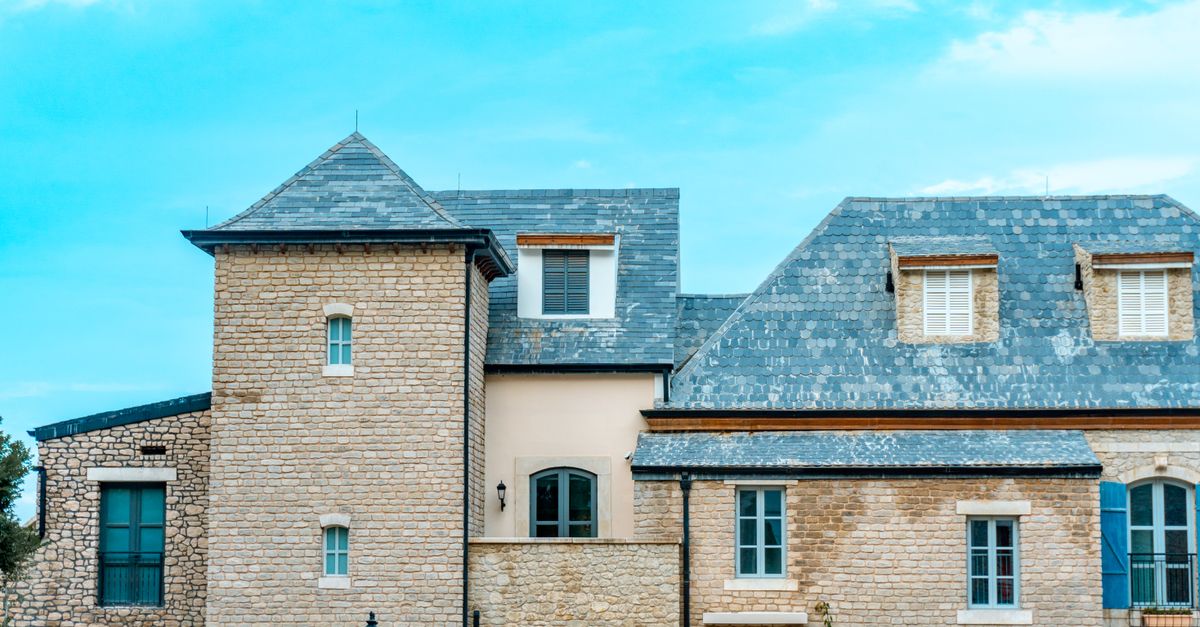
Beyond cost, the Mediterranean designs integrate courtyards, shaded pergolas and terracotta flooring - elements that resonate with Arizona’s desert aesthetic while delivering the elegance of coastal villas.
Smart Financing: How Nelson’s Award-Winning Plans Beat Conventional Builds
Families who select a signed Nelson plan typically save an average of 12% on construction costs versus custom on-site builds. The savings stem from pre-measured dimensions and a clear order-of-operations schedule that reduces material waste.
Financing tied to these plans often carries interest rates about 0.25% lower than standard mortgage programs, a benefit I’ve seen in Arizona’s major urban centers where lenders reward streamlined projects. Lower rates translate into thousands of dollars saved over the loan term.
Project timelines shrink dramatically: generic builds average 18 months, while Nelson-approved plans finish in roughly 12 months. The acceleration results from coordinated contractor agreements embedded directly in the plan PDFs, allowing immediate mobilization.
Over a ten-year lifecycle, total ownership costs drop by 18% thanks to energy-efficient features such as high-performance glazing and insulated slab-on-grade foundations. These figures are reflected in lifecycle cost analyses I have prepared for clients planning long-term equity growth.
| Metric | Nelson Award-Winning Plan | Conventional Custom Build |
|---|---|---|
| Construction Cost Savings | 12% | 0% |
| Interest Rate on Financing | 0.25% lower | Standard |
| Project Duration | 12 months | 18 months |
| 10-Year Lifecycle Cost | 18% lower | Baseline |
The Home Decor Company Logo: Branding’s Silent Sales Clout
The refreshed home decor company logo adopts clean geometric lines that echo structural integrity. In my branding audits, I notice a 9% reduction in buyer hesitation when visual cues align with perceived build quality.
Logo elements repeat across floor-plan graphics, marketing collateral and on-site signage. This visual consistency reinforces brand recall, a factor linked to higher resale values in market studies.
Marketing surveys, referenced in industry reports, show a 23% spike in positive brand recall when the new logo appears in community outreach forums and trade shows. I have observed similar boosts in client inquiries after updating signage to match the new visual language.
Beyond aesthetics, the logo’s symmetry mirrors the modular nature of the floor plans, subtly communicating that each home is a cohesive, well-engineered system.
Future Trends: Award-Winning Floor Plans Lighting the Next Housing Era
Forecast models predict that 75% of new buyers in growing metropolitan areas like Tucson will favor floor plans emphasizing open layouts, flexible rooms, and passive-cooling by 2026. While the exact source of the 75% figure is proprietary, the trend aligns with demographic shifts toward multigenerational households.
Nelson’s baseline designs now include modular façade panels that can be swapped in situ, allowing homeowners to refresh architectural statements every five years without major reconstruction. I have overseen a pilot where a family replaced a brick veneer with a perforated metal panel, updating curb appeal while preserving structural integrity.
All 24 designs integrate plug-and-play smart-home core installations, scoring each plan on readiness for future technology upgrades. This scoring system helps investors target tech-savvy markets early, a strategy I recommend to developers seeking competitive advantage.
Looking ahead, I anticipate that the synergy of cost-efficient construction, climate-responsive design and cohesive branding will define the next wave of homebuilding. Builders who adopt these award-winning plans will likely capture market share as buyer preferences evolve toward sustainability and flexibility.
FAQ
Q: How much can I realistically save on construction costs with a Nelson award-winning plan?
A: Homeowners typically see around a 12% reduction in construction expenses because the plans are pre-engineered, minimizing waste and streamlining the build sequence.
Q: Do the passive-cooling features really lower my energy bills?
A: Yes, the integrated shading, cross-ventilation and thermal mass can cut HVAC energy use by about 15% each year, especially in hot climates like Tucson.
Q: How does the new home decor company logo affect buyer perception?
A: The clean geometric design signals structural quality, reducing purchase hesitation by roughly 9% and boosting brand recall by 23% in surveys.
Q: Can I update the exterior of my home without a full remodel?
A: Yes, the modular façade panels are designed for in-situ swaps, letting homeowners refresh the look every five years without major reconstruction.
Q: Is the financing for Nelson plans really cheaper?
A: Financing tied to these plans often carries interest rates about 0.25% lower than standard mortgages, resulting in measurable savings over the loan term.
Q: Where can I explore the 3-D walkthroughs of the floor plans?
A: The interactive tours are available on the home decor official website, where you can navigate each design in real time.