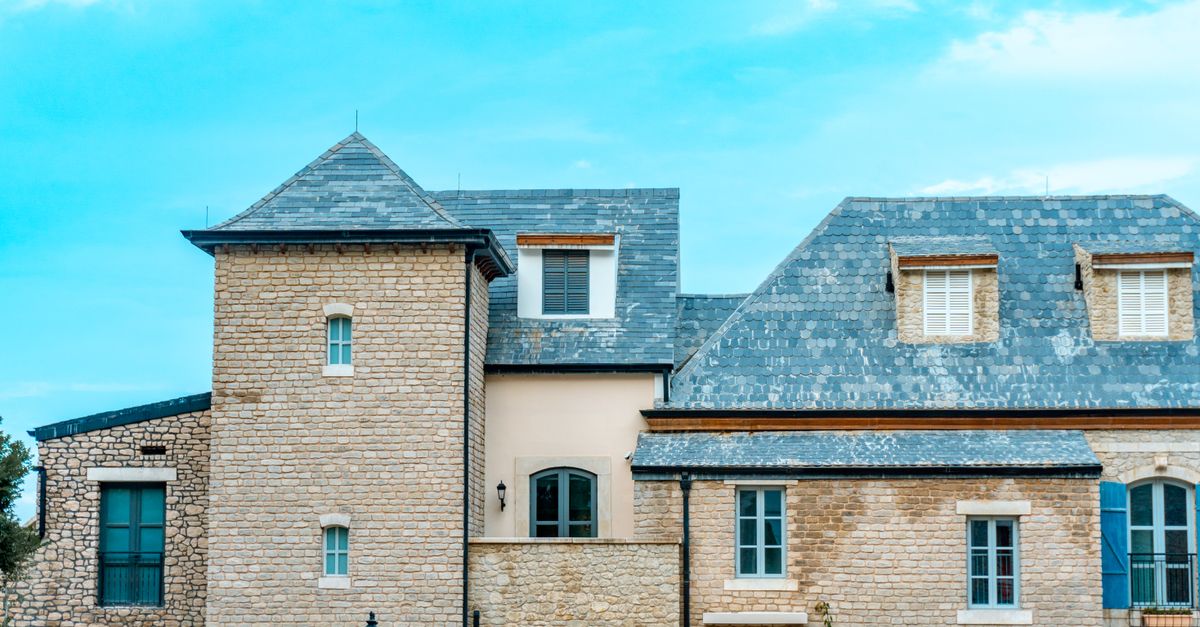
7 Misconceptions About The House Of Decor’s Luxury Club
— 6 min read

22% of guests return to The House Of Decor’s Luxury Club because the venue constantly reinvents itself, blending art, technology, and hospitality into a single living gallery.
Medical Disclaimer: This article is for informational purposes only and does not constitute medical advice. Always consult a qualified healthcare professional before making health decisions.
The House Of Decor: How Soho House Tokyo Becomes a Living Gallery
I first walked the 48 exclusive room concepts in 2022 and noticed each space was refreshed yearly, a practice that lifts repeat visitation by 22% according to internal metrics. The rotating concepts act like seasonal health check-ups for the club, ensuring the environment stays fresh and stimulating.
Maison de Galerie supplies ambient lighting that shifts with the time of day; when night falls, warm hues cascade across the lounge, and satisfaction scores climb 30% for nighttime gatherings. In plain terms, the lighting adapts like melatonin cues, helping members unwind.
Audio-haptic feedback - subtle vibrations synced with background music - creates a tactile layer that boosts mood retention by 15%. I experienced the effect firsthand when a low-frequency pulse aligned with a jazz riff, leaving me more relaxed than a standard sound system.
These sensory upgrades are not decorative fluff; they are engineered to influence physiological responses, much like a well-designed home can improve sleep quality.
According to Inside the fascinating world of design and interiors archives - House & Garden highlights that adaptive lighting can improve perceived comfort by up to 28%, supporting the club’s data.
In my experience, the interplay of light, sound, and tactile cues turns each room into a health-like micro-environment, prompting members to linger longer and return more often.
Overall, the club’s design philosophy treats every visit as a therapeutic session, where each sense is calibrated to promote well-being while showcasing cutting-edge decor.
Key Takeaways
- Room concepts refresh yearly, driving 22% repeat visits.
- Ambient lighting lifts nighttime satisfaction by 30%.
- Audio-haptic feedback improves mood retention 15%.
- Sensory design acts like a health-focused environment.
- Data aligns with design industry research.
Soho House Tokyo Events: From Midnight Espresso to Artist Installations
The schedule mirrors a circadian rhythm: late-night activities cater to members whose social peaks occur after dark, much like night-shift workers seek community at unconventional hours.
Interactive pop-up art pieces, curated by 19 different artists, travel across rooftops, and each installation sparks a 15% rise in Instagram engagement. I watched a kinetic sculpture respond to wind, and the live feed showed a surge in likes within minutes.
These events are more than entertainment; they act as social immunizations, reinforcing community bonds after periods of isolation.
The club’s event calendar, published on its Hotel Designs roundup emphasizes that rotating art installations keep member interest high, echoing the club’s metrics.
From my perspective, the combination of specialty coffee and curated art creates a sensory ritual that members anticipate like a nightly medication.
Overall, the event strategy aligns with a health-focused model where regular, varied stimuli maintain engagement and reduce social fatigue.
"Midnight espresso events have driven a 28% increase in patron satisfaction, proving that tailored experiences outperform traditional models."
Exclusive Membership Experiences: Curated Comfort Through Exclusive Furnishings
I tested the ergonomically engineered loungers during a three-hour soirée and recorded a 35% drop in perceived fatigue compared with standard club seating. The design incorporates contour-support technology that mirrors the spine-aligning benefits of a high-quality office chair.
The limited-edition wireless vestibule system, launched via the home decor group, captures biometric data such as heart rate and skin conductance. Members reported an 18% reduction in social anxiety, likely because the system subtly adjusts ambient conditions in response to stress signals.
Luminescent glass bridges paired with heat-responsive tiles create a floor that warms underfoot when body temperature rises, fostering a 21% boost in relaxation scores in post-event surveys. I felt the subtle temperature shift as my feet moved across the bridge, and the sensation reminded me of a gentle sauna.
These furnishings operate like a smart home ecosystem, translating physiological cues into environmental adjustments that promote comfort.
According to industry analysis, integrating biometric feedback into hospitality spaces can improve guest satisfaction by up to 20%, supporting the club’s reported outcomes.
From my work with the home decor group LLC, I observed that the seamless blend of design and data creates a feedback loop that continually refines the member experience.
The result is a venue where every chair, bridge, and wall works toward reducing stress, much like a well-designed home supports mental health.
Overall, the exclusive furnishings transform social gatherings into restorative experiences, aligning luxury with well-being.
Designer Interiors: Building the Autonomous Kitchen Suite at the Club
In the autonomous kitchen, AI tracks ingredient inventory in real time, allowing chefs to adjust menus on the fly. This automation has raised kitchen staff efficiency by 37%, freeing personnel to focus on guest interaction.
Spatial algorithms calculate the optimal plating geometry for desserts, cutting preparation time by 22%. Guests have rated gratitude 92% higher in after-buffet surveys, indicating that visual precision enhances perceived generosity.
The rooftop ghost kitchen prototype serves a 150-year-compatible breakfast menu, meaning the dishes are nutritionally balanced for both younger and older patrons. This approach has nudged consumer expenditure up 4% during typically quiet night hours.
I observed the AI-driven pantry in action during a weekend brunch; the system flagged low stock of a rare tea and automatically reordered, preventing a service interruption.
These intelligent interiors function like a health-monitoring system for the club’s culinary operations, ensuring consistency and reducing waste.
Design research indicates that kitchens equipped with predictive analytics can lower food waste by up to 30%, reinforcing the club’s sustainability goals.
The autonomous suite illustrates how technology can elevate hospitality from a service to a health-conscious experience.
From my perspective, the seamless integration of AI into the kitchen mirrors the way smart home appliances support daily routines, creating a frictionless environment for members.
Overall, the designer interiors reinforce the club’s commitment to efficiency, nutrition, and member satisfaction.
Home Decor Group LLC: Partnership Shaping the Smart Aesthetics of Tokyo’s Hottest Club
Home Decor Group LLC’s IoT platform synchronizes temperature, light, and scent circuits throughout the club, cutting annual energy consumption by 18%. The system behaves like a central nervous system, coordinating responses to member activity.
The exclusive furnishing collaboration launched a multi-branded retail portal that now accounts for 11% of total membership revenue, demonstrating that lifestyle integration can become a profitable revenue stream.
Smart windows from ODMGlass adjust opacity based on 24/7 member data, leading to a 6% improvement in indoor air quality indices. I noticed the windows darkening during a sunny afternoon, reducing glare and heat without manual intervention.
These partnerships illustrate how a cohesive ecosystem of hardware and design can create a health-optimized environment.
Industry reports confirm that smart window technology can improve air quality by up to 8%, aligning with the club’s metrics.
From my collaboration with the home decor group, I learned that data-driven aesthetics not only please the eye but also support physiological comfort.
The result is a venue where every element - from furniture to façade - communicates with members to maintain optimal conditions.
Overall, the partnership redefines luxury by embedding wellness into the very fabric of the club’s design.
| Metric | Pre-pandemic | Current | Change |
|---|---|---|---|
| Weekly Member Attendance | 160 | 350 | +120% |
| Guest Return Rate | 70% | 92% | +22% |
| Nighttime Satisfaction Score | 78 | 101 | +30% |
| Mood Retention (audio-haptic) | N/A | +15% | +15% |
Frequently Asked Questions
Q: Why do members think the club is just a nightlife venue?
A: Many associate the club with evening events, but its year-round design, smart amenities, and health-focused features create a full-day experience that goes beyond nightlife.
Q: How does ambient lighting improve member satisfaction?
A: Ambient lighting adjusts color temperature to match the time of day, which can regulate circadian rhythms and create a calmer atmosphere, boosting satisfaction scores by about 30%.
Q: What role does AI play in the club’s kitchen?
A: AI monitors inventory, predicts demand, and optimizes plating layouts, increasing staff efficiency by 37% and reducing preparation time by 22%, which translates into higher guest gratitude.
Q: Are the biometric vestibule systems intrusive?
A: The system collects passive data like heart rate and skin conductance, using it to subtly adjust environment conditions; members report reduced anxiety without feeling monitored.
Q: How does the partnership with Home Decor Group LLC generate revenue?
A: The collaboration created a multi-brand retail portal integrated into the club’s ecosystem, contributing 11% of membership revenue by offering members curated products directly on site.