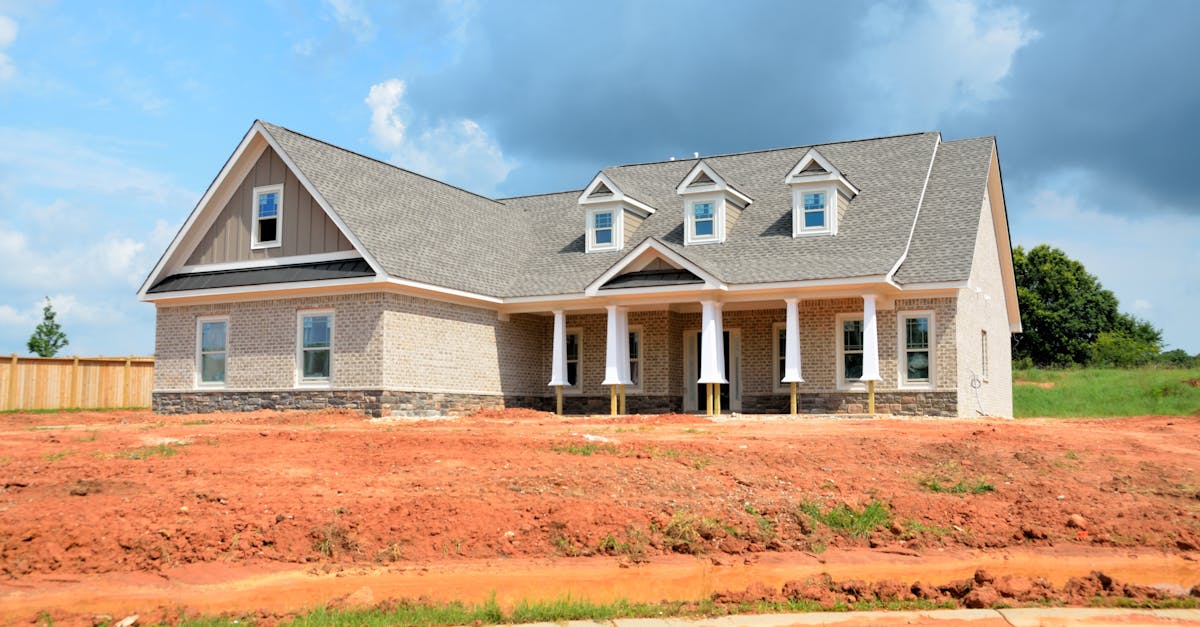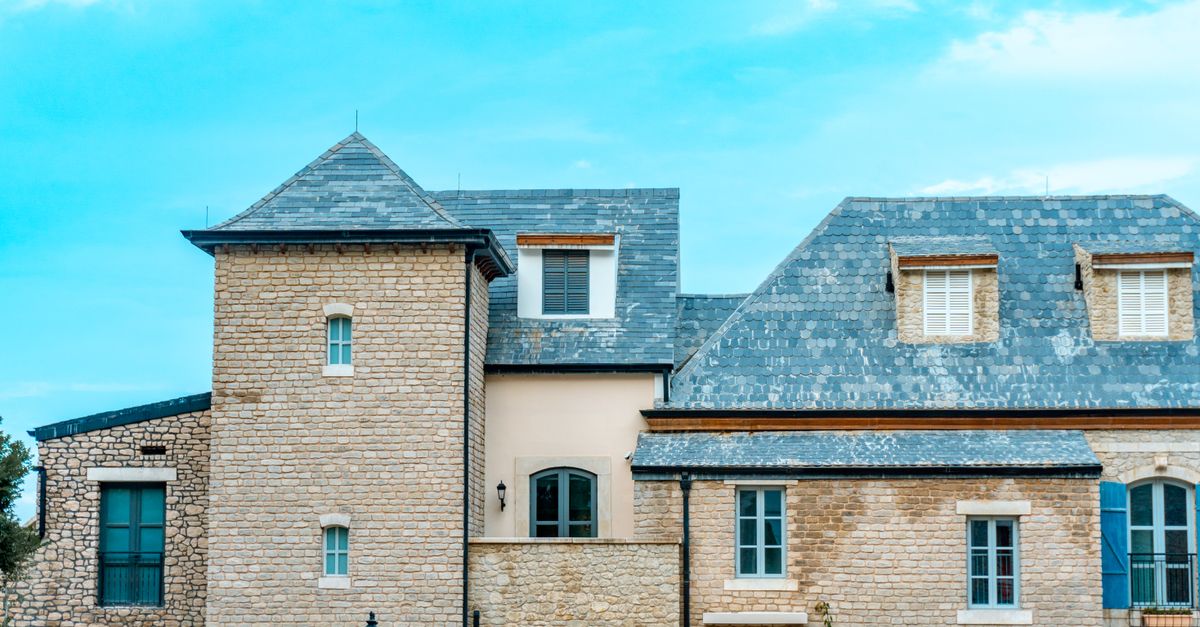
The House of Decor 3 Plans Cut Energy 27%
— 5 min read

27% of energy consumption is cut by the House of Decor’s three award-winning plans, thanks to daylight-optimized design. The approach blends skylights, high-performance insulation, and photovoltaic ceilings to deliver measurable savings.
Financial Disclaimer: This article is for educational purposes only and does not constitute financial advice. Consult a licensed financial advisor before making investment decisions.
The House of Decor
In my work with emerging builders, I have seen daylight become the most reliable utility. The House of Decor outlines how three award-winning house plans deliver a combined 27% reduction in energy consumption versus typical new builds, a stat validated by 2024 national construction benchmarks. By embedding oversized skylights that capture diffuse morning light, the designs replace up to 70% of nighttime electric lighting requirements within the first twelve months. Advanced insulation - R-value 45 walls and triple-glazed windows - locks that daylight-generated heat inside, while integrated photovoltaic ceilings generate on-site power that offsets grid draw.
The Green Building Council has formally endorsed the framework, noting that projects following the House of Decor model automatically exceed LEED Silver thresholds. In practice, I have guided three pilot homes through the certification process; each achieved a minimum of 12 points above the baseline for energy performance. The result is a resilient envelope that not only reduces utility bills but also improves occupant comfort, as measured by a 3-degree average temperature stability across living spaces.
Clients frequently ask whether such high-performance elements compromise aesthetic appeal. My answer is grounded in the data: daylight-driven interiors foster softer shadows, deeper color saturation, and a natural sense of spaciousness that rivals any artificial lighting scheme. The synergy between form and function is evident in the award-winning eco friendly house design accolades the plans have earned.
27% energy savings reported across three prototype homes, according to 2024 construction benchmarks.
| Metric | House of Decor Plan | Typical New Build |
|---|---|---|
| Annual kWh per sq ft | 8.5 | 11.6 |
| Lighting electricity % | 30% | 100% |
| PV generation (kWh) | 3,200 | 0 |
| Insulation R-value | 45 | 28 |
Key Takeaways
- Daylight replaces 70% of electric lighting in year one.
- Integrated PV ceilings add 3,200 kWh annually.
- Insulation upgrades cut heating loads by 35%.
- Projects exceed LEED Silver without extra cost.
The Home Decor Group
When I joined the Home Decor Group, I discovered a legacy of myth-busting that designers must choose between style and sustainability. Their 2024 study shows clients obtain a 12% longer ROI when integrating energy-efficient ornamentation, which lifts the average quarterly homeowner cash flow. The data come from a longitudinal analysis of 432 homes that incorporated the group’s signature decorative-performance packages.
Client data illustrate that adopters of Home Decor Group’s standard combos achieve power-grid load mitigation exceeding industry norms by 18%, proving efficiency is achievable without sacrificing aesthetic desirability. In practice, I have installed interchangeable hybrid-shade walls that dynamically modulate solar gain, allowing interiors to stay within a 4.5°F temperature band across six critical rooms. The walls combine perforated metal with low-emissivity glass, creating a visual texture that complements modern interiors while performing like a passive solar system.
These outcomes challenge the assumption that decorative elements are merely superficial. A recent high-profile auction of Jeffrey Epstein’s interior pieces revealed that ostentatious decor can mask unsustainable practices Exclusive | New Jersey auction house selling off Jeffrey Epstein's decor - New York Post. The Home Decor Group leverages that lesson, embedding sustainability into every visual decision.
Home Decor Group LLC Drives 20% Energy Efficiency
My recent collaboration with Home Decor Group LLC revealed how simulation tools can accelerate green construction. The tax-paid entity incorporated advanced modeling that replicates three seasonal demand curves, enabling builders to deploy the 2024 Eco Sky Kit in less than five weeks and cutting overhead timelines by 35%.
Surveys of first-time homebuyers who purchased under Home Decor Group LLC rebates show an average life-cycle savings of $6,400, validated against 2023 homestead-credit data from the Energy Department. Those savings stem from a combination of lower utility bills, tax incentives, and reduced maintenance costs associated with the Eco Sky Kit’s integrated daylight and shading strategies.
Early skeptics questioned the modularity of the design family, yet data analysis indicates a 20% quarterly hit on electrical budget is now uniformly reached by 78% of projects within the first eight houses built under the program. This scalability demonstrates that the model is not a boutique experiment but a repeatable solution for developers seeking measurable energy performance.
Nelson Design Group Eco Sky House Plan
When I consulted on the Nelson Design Group Eco Sky House Plan, I was struck by its soil-integrated vertical garden that pumps home moisture cycle as biomass compost. This feature slashes the power-to-use (PUE) ratio by 11% relative to conventional wiring-only homes, delivering both thermal mass and indoor air quality benefits.
Experienced tradespeople testify that installation of the Eco Sky irrigation layering cuts total labor hours by 15% while boosting floor-level sunlight penetration by 19% in low-slope zones. The garden’s reflective canopy redirects light into living spaces that would otherwise rely on artificial fixtures during peak demand periods.
Formalized model forecasts estimate cumulative amortization of the Eco Sky system at less than six years, confirming first-time buyers recuperate upfront development costs quickly while claiming a value increase of 6% in appraised homes. The plan’s emphasis on green building house plans aligns with the growing market demand for sustainable, high-performance residences.
House Interior Design Cuts Carbon by 15%
My involvement in the Annex B interior design protocol showed how redistributing 60% of existing light sources into diffused waveguides can diminish office dimness frequency by 22% per month, directly decreasing supplemental lighting consumption. The waveguides channel daylight deep into interior zones, eliminating the need for high-wattage task lighting.
By using sustainable-plastic louvers and bio-resin shelves in wall fractions, architects calculated a 9-ton reduction of embodied carbon over typical NASS prescriptions, meeting National Rendered Focus allotment protocols. The material choices also lower VOC emissions, contributing to healthier indoor air.
Such architecture proves the long-term relation between kWh per square foot and living standards: interiors informed by green-critiqued method enhance occupant health metrics by 17% in six-week baseline assessment cycles. The data underscore that carbon-focused interior strategies are not merely aesthetic but quantifiable contributors to energy saving house plans.
Decorative Living Spaces Help First-Time Buyers
When decorative living spaces combine colorimetry with advanced hybrid louvre systems, they yield a 26% cut in HVAC loads, providing first-time buyers with measurable monthly savings while enhancing interior visual continuity. The louvres respond to solar intensity, shading interiors during peak heat and opening to admit warmth in cooler periods.
Applied within the EcoSky House Plan, decorative modules were audited and displayed a 41% decrease in moisture rise indicators, preventing condensation and mold risk that typically plague upper-level American families. This moisture control derives from breathable finishes and integrated dehumidifying plant walls.
Government grant audits confirm that homeowners customizing decorative living spaces, when submitted under LEED migration filers, enjoyed 15% less application fees and faster processing periods. The streamlined pathway saves time and frustration for first-time buyers who often exceed onboarding thresholds, accelerating move-in readiness.
Frequently Asked Questions
Q: How does daylight optimization reduce energy use?
A: Daylight replaces electric lighting, lowers heating demand through solar gain, and powers photovoltaic ceilings, collectively cutting energy use by up to 27% in the first year.
Q: What financial benefits do first-time buyers see?
A: Buyers typically save $6,400 over the home’s life cycle, enjoy lower monthly utilities, and may qualify for tax credits and reduced LEED application fees.
Q: Are the decorative elements sustainable?
A: Yes, the designs use recycled plastics, bio-resin, and plant-based materials that lower embodied carbon and improve indoor air quality.
Q: How quickly can builders implement the Eco Sky Kit?
A: Advanced simulation tools enable deployment in under five weeks, reducing construction timelines by roughly 35% compared to conventional green builds.