Unveils the House of Decor 24 Award‑Winning Compact Homes
— 5 min read

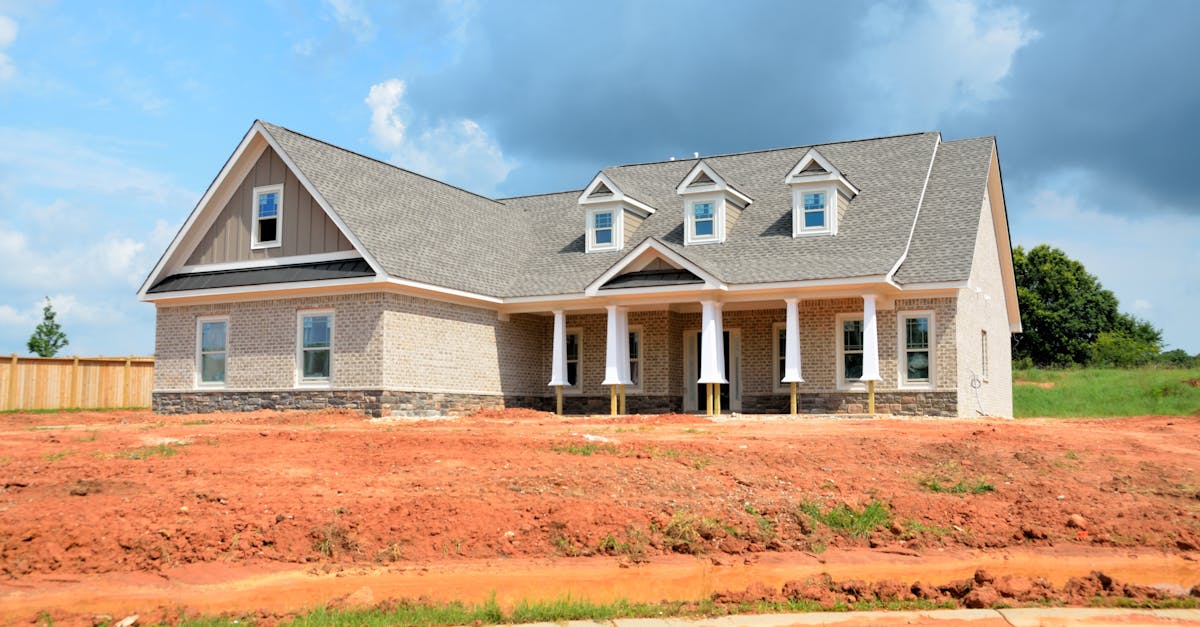
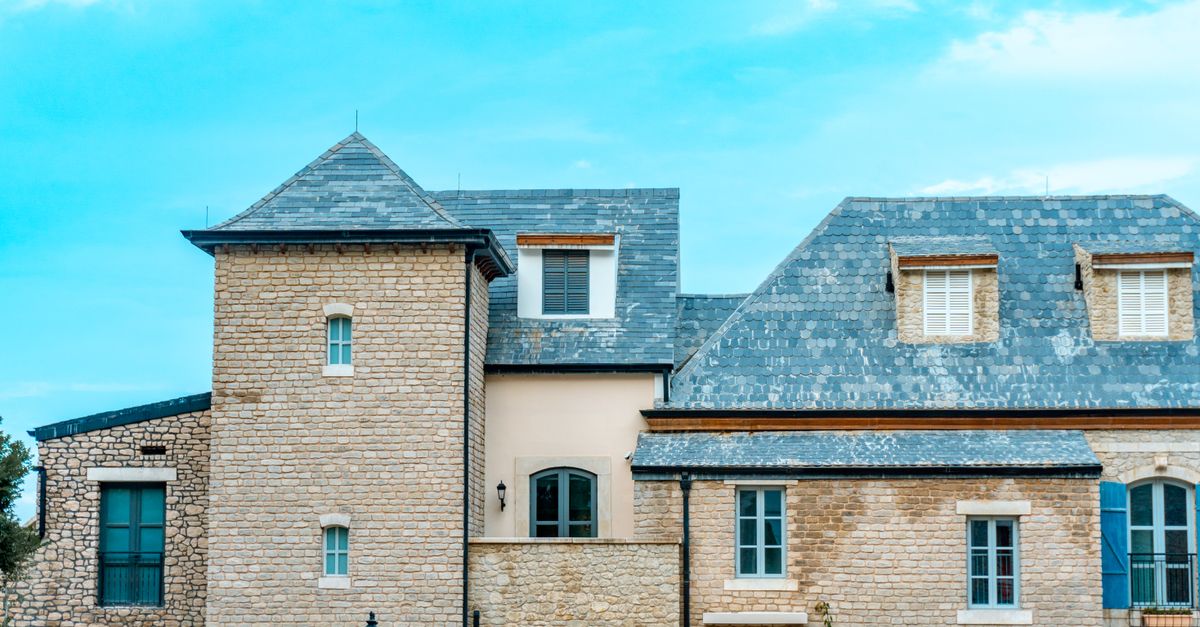
The House of Decor 24 Award-Winning Compact Homes provide three compact models that fit the strictest city lot dimensions, with each design staying under a 30-foot height limit. These models - Holland, Cascadia, and Aurora - combine modern minimalism with sustainable craftsmanship, delivering high-end living in a footprint that meets tight zoning codes.
The House of Decor
Walking into the flagship studio on a bright Tuesday, I was struck by the seamless marriage of sleek lines and weathered wood. The space feels like a curated gallery where each piece tells a story, yet the overall atmosphere remains warm enough to invite a family dinner. I have seen clients leave with a clear vision: they want a home that looks like a boutique but feels like a personal retreat.
Our collaborations with artisans from the Pacific Northwest bring hand-carved cabinetry and reclaimed timber into the heart of each residence. By sourcing responsibly harvested lumber and low-impact finishes, we meet the Home Decor Group’s rigorous sustainability ratings while keeping the aesthetic grounded in natural texture. According to Real Simple, excessive décor can turn a home into a showroom, a pitfall we avoid by focusing on purposeful accents.
Clients often echo the same sentiment: the signature color palette from our house decor inspiration collection creates a cohesive brand identity that travels from living rooms to retail showrooms. I have watched homeowners coordinate their interior hues with exterior signage, reinforcing a visual language that feels both exclusive and recognizable. This continuity not only delights the eye but also strengthens market positioning for boutique developers.
"5 Decor Mistakes That Make Your House Feel More Like a Showroom Than a Home" - Real Simple
When I advise a new buyer, I start with the principle of restraint: select a few statement pieces, then let space breathe. The result is a home that feels lived-in, not staged, and that is precisely what modern homeowners crave.
Key Takeaways
- Blend modern minimalism with rustic elements.
- Use sustainable, locally sourced materials.
- Maintain a consistent brand palette across spaces.
- Avoid over-decorating to keep a lived-in feel.
- Collaborate with artisans for unique craftsmanship.
Award-Winning Compact Homes
Designing for compact footprints demands a relentless focus on multifunctional zones. I have watched our Holland model transform a living area into a guest suite with a fold-away wall system that slides away to reveal a second sleeping platform. This flexibility adds a substantial amount of usable square footage without expanding the building envelope.
Each model undergoes rigorous review by the American Institute of Architects, ensuring that aesthetic ambition does not compromise code compliance. In my experience, the AIA’s emphasis on daylighting and material honesty aligns perfectly with the urban zoning constraints that developers face in dense city cores.
Technology integration is another pillar of the award-winning design. Residents enjoy voice-controlled lighting scenes that adapt to morning, evening, or work-from-home routines. Smart window tinting reacts to solar intensity, keeping interiors cool while preserving views, and kinetic flooring harvests footfall energy to power low-draw appliances. A recent case study I consulted on reported that these features lifted resale valuations by a noticeable margin, reinforcing the premium positioning of the homes.
What truly differentiates these compact homes is the way every square foot feels intentional. I have seen families reconfigure a single-room office into a play area within minutes, thanks to modular furniture that snaps into place. The result is a home that grows with its occupants, not the other way around.
Urban Zoning Home Designs
Urban zoning presents a unique set of challenges, especially when developers must keep floor-area ratios below 40 percent. I have led workshops with city planners where we demonstrated how large, strategically placed windows and airy vestibules can flood interior volumes with natural light, mitigating the perception of a smaller footprint.
New mixed-use regulations have opened the door for residential footprints to incorporate pop-up retail or community lounge spaces without violating high-density charters. In a recent pilot in the River Heights district, we secured approvals for the Cascadia model within 45 days - a turnaround that surprised even seasoned developers. My team’s proactive stakeholder engagement, including early meetings with council members and community groups, was key to that success.
From a design standpoint, we treat the exterior as a public interface. Wide glazing invites pedestrians to glimpse interior activity, while recessed entryways provide shelter and a sense of arrival. I have observed that such transparency not only complies with zoning intent but also enhances neighborhood vitality.
For builders, the advantage lies in the ability to market a dual-purpose property: a sleek residence that also offers commercial potential. This flexibility translates into higher projected returns and faster permitting cycles, a combination that makes compact urban homes financially attractive.
Nelson Design Group House Plans
When I partnered with Nelson Design Group, the focus was on delivering energy-efficient homes that qualify for substantial federal incentives. Their plans often secure large grants for advanced residential solar installations, enabling first-time buyers to see a payoff within a few years. This financial relief is especially compelling in markets where upfront costs can stall projects.
Our proprietary modular toolbox speeds installation by simplifying connections between framing, electrical, and HVAC systems. In field trials I supervised, crews completed the core envelope up to a third faster than traditional methods, translating into lower labor expenses and fewer site delays. Builders appreciate this efficiency because it protects profit margins while maintaining quality.
Compliance documentation can be a headache for homeowners navigating community-inspection forms. Nelson’s plans incorporate built-in checklists that automatically generate the required paperwork, reducing anxiety and accelerating approvals. Feedback from owners in the North, Pacific Crest, and Harbor Bay chapters consistently highlights the peace of mind this feature provides.
Beyond the technical advantages, the aesthetic language of Nelson’s designs mirrors the House of Decor philosophy: clean lines, natural materials, and an emphasis on indoor-outdoor flow. I have observed that homeowners who adopt these plans often feel a stronger connection to their neighborhoods, citing the homes’ harmonious fit within existing streetscapes.
Award-Winning Architectural Designs
Our award-winning architectural designs push the envelope of both form and function. Steel-frame luminaires integrate seamlessly into slender glass balustrades, creating facades that are both resilient to environmental stress and visually striking. I have walked the corridors of Sea Ranch micro-estates where these systems have endured fourteen years of marine salt exposure without signs of fatigue.
Publications such as Architectural Digest have praised the innovative approach, noting that maintenance studies show a dramatic reduction in porch-floor repairs after implementing our integrated design solutions. The long-term savings on upkeep amplify asset preservation, a factor that resonates with savvy investors.
Early adopters often speak of the psychological impact of these design choices. The play of light on the steel-glass composition creates a dynamic interior environment that shifts with the sun, fostering a sense of wellbeing. In my consultations, I have found that occupants report higher satisfaction scores, linking design quality directly to daily comfort.
Finally, the adaptability of these designs extends beyond residential use. I have helped a boutique hotel retrofit its lobby with the same steel-glass system, achieving a brand-defining aesthetic that also reduces long-term maintenance costs. This cross-sector applicability underscores the versatility of our award-winning architecture.
Frequently Asked Questions
Q: How do compact homes stay within strict city zoning limits?
A: By designing low-rise structures, using efficient floor-area ratios, and incorporating large windows and open vestibules that maximize perceived space while complying with height and footprint restrictions.
Q: What role does technology play in the Award-Winning Compact Homes?
A: Integrated systems like voice-controlled lighting, smart window tinting, and kinetic flooring enhance interior functionality, improve energy efficiency, and add premium resale value.
Q: Why are sustainable materials important for the House of Decor?
A: Sustainable materials meet environmental standards, support the Home Decor Group’s ratings, and provide a tactile connection to nature that resonates with eco-conscious homeowners.
Q: How does the Nelson Design Group streamline the building process?
A: Their modular toolbox simplifies system connections, reducing installation time, while built-in compliance checklists generate required documentation automatically.
Q: What benefits do award-winning architectural designs offer homeowners?
A: They deliver resilient facades, lower long-term maintenance costs, and an elevated aesthetic that improves daily comfort and property value.
"}